Table of Contents Show
Key Takeaways
- Vitamin C serums vary widely in concentration, formulation stability and skin compatibility. Knowing what to look for saves you from wasting money on products that oxidise fast or irritate your skin.
- L-ascorbic acid is the gold standard form of vitamin C, but derivative forms like ascorbyl glucoside and sodium ascorbyl phosphate suit sensitive skin better.
- The best vitamin C serums available in Malaysia in 2026 span a wide price range, from accessible drugstore finds to premium formulations worth the splurge.
- Packaging matters as much as the formula. Air-tight, opaque or dark glass packaging significantly extends serum potency.
- Pairing vitamin C with SPF during the day is non-negotiable if you want real results from your brightening routine.
What Actually Makes a Good Vitamin C Serum?
Before diving into the ranked list, it helps to understand what separates a genuinely effective vitamin C serum from one that looks great on the shelf but delivers very little on your face.
Vitamin C in skincare works as an antioxidant. It neutralises free radicals from UV exposure and pollution, inhibits melanin production (which is what makes it so effective for dark spots and uneven skin tone) and plays a role in collagen synthesis. All of that sounds straightforward until you realise that vitamin C is notoriously unstable. Expose it to light, air or the wrong pH and it degrades quickly, turning that golden serum into an orange or brown liquid that does almost nothing for your skin.
The Forms of Vitamin C You Will Encounter
L-ascorbic acid (LAA) is the most researched and most potent form. Studies show it works best at concentrations between 10% and 20% and at a low pH of around 3.5. The tradeoff is that it is the most unstable and the most likely to sting or cause irritation, particularly on sensitised or dry skin.
Ascorbyl glucoside is a more stable, gentler derivative that converts to L-ascorbic acid on the skin. It is slower-acting but a solid choice for those who find pure LAA too harsh.
Sodium ascorbyl phosphate (SAP) is another water-soluble derivative known for being stable and non-irritating. It has the added bonus of being antimicrobial, which makes it a popular pick for acne-prone skin.
3-O-ethyl ascorbic acid is increasingly popular in premium formulations. It is oil-soluble, highly stable and converts efficiently to active vitamin C once absorbed.
Ascorbyl tetraisopalmitate is a lipid-soluble form that penetrates skin well and works nicely in richer, creamier textures. You will find it in several moisturiser-serum hybrids.
The form of vitamin C in a product is not a dealbreaker on its own, but matching it to your skin type and tolerance makes a significant difference to your results.
What to Look for on the Packaging
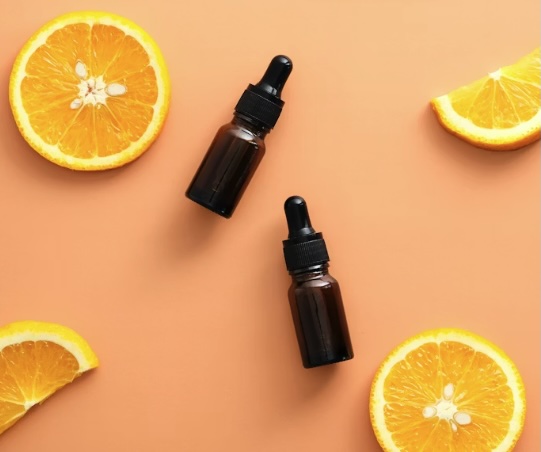
Good vitamin C serums should come in opaque or tinted dark glass bottles, ideally with a dropper that minimises air exposure. Avoid any serum sold in a clear plastic bottle or a jar format. If the serum you receive smells slightly fermented or looks visibly orange or dark brown, it has already oxidised and will be of limited benefit.
The Best Vitamin C Serums in Malaysia 2026, Ranked
These picks were evaluated based on formulation quality, ingredient transparency, packaging integrity, availability in Malaysia and actual skin results across different skin types.
1. Skinceuticals C E Ferulic
This is the benchmark serum that dermatologists frequently reference when discussing vitamin C in skincare. It combines 15% L-ascorbic acid with vitamin E and ferulic acid. The synergy between those three ingredients has demonstrated benefits in clinical studies, extending antioxidant protection compared to vitamin C used alone.
It is admittedly expensive. In Malaysia, expect to pay well above RM400 for a 30ml bottle. For those seeking pharmaceutical-grade results without sensitivity issues to L-ascorbic acid, the formulation justifies the investment.
The serum has a distinctly vitamin-y, slightly metallic scent on application that some find off-putting. It fades quickly and the texture is lightweight, but managing sensory expectations beforehand helps.
Best for: Oily to normal skin, antioxidant protection focus, those who want clinical-grade performance.
Key actives: 15% L-ascorbic acid, 1% vitamin E, 0.5% ferulic acid
2. Mixsoon Bean Essence
Technically an essence rather than a serum, the Mixsoon Bean Essence deserves inclusion because the soy isoflavones in its formula act as phytochemicals that support brightening differently from traditional vitamin C approaches. It is a favourited option within the Korean skincare community in Malaysia.
It works particularly well layered under a more targeted vitamin C serum or used on its own for those wanting a gentler introduction to brightening routines. The texture is slightly more viscous than a standard serum, and the formula is fragrance-free and suitable for reactive skin types.
Best for: Sensitive skin, beginner brightening routines, layering under actives.
Key actives: 68.37% soybean ferment filtrate, adenosine
3. Cos De BAHA Vitamin C Serum (Ascorbic Acid 15%)
For those seeking L-ascorbic acid at an accessible price point, Cos De BAHA delivers a solid formula. The 15% concentration sits in the optimal range for effectiveness and the serum includes hyaluronic acid to offset some of the drying potential that high-concentration LAA formulas can have.
It is available in Malaysia through various online platforms and appeals to skincare enthusiasts who prioritise active-focused formulations over packaging aesthetics. While it lacks the premium feel of higher-end options, the formulation performs well at its price point.
One note: this is not a serum for sensitive skin beginners. Start by introducing it slowly, two to three times a week, before building up to daily use.
Best for: Normal to oily skin comfortable with strong actives, budget-conscious buyers.
Key actives: 15% L-ascorbic acid, hyaluronic acid
4. Kiehl’s Vitamin C Brightening and Smoothing Drops
Kiehl’s version uses a stabilised form of vitamin C alongside glycerin and centella asiatica, offering a glow-and-hydrate focus compared to more treatment-oriented serums on this list. The texture is slightly thicker and richer, suiting those with drier skin who find traditional water-based vitamin C serums stripping.
It is widely available at Kiehl’s counters in Malaysian malls and online. The visible brightening from this option builds gradually and is best appreciated over four to six weeks of consistent use.
Best for: Dry to normal skin, those who want hydration and brightening in one step.
Key actives: Stabilised vitamin C, glycerin, centella asiatica
5. The Ordinary Ascorbyl Glucoside Solution 12%
The Ordinary remains a frequently searched skincare brand in Malaysia, and their Ascorbyl Glucoside Solution is arguably the most beginner-friendly vitamin C option on this list. Ascorbyl glucoside is stable, less irritating than LAA and works well for those new to using vitamin C in their routine.
The 12% concentration is sufficient for results without being overwhelming, and the serum has a thin, runny texture that layers well. Derivative forms require longer to show results compared to L-ascorbic acid formulas, which is a realistic expectation. For anyone who has tried LAA and found it too reactive, this is a sensible alternative.
Best for: Sensitive skin, vitamin C beginners, budget skincare routines.
Key actives: 12% ascorbyl glucoside
6. Dear Klairs Freshly Juiced Vitamin C Drop
Dear Klairs has long positioned itself as the gentle vitamin C option in the K-beauty lineup. The formula uses 5% ascorbic acid in an encapsulated form with hyaluronic acid and centella, which reduces the irritation risk associated with direct LAA application.
At 5%, this will not deliver dramatic brightening results quickly, but for those with reactive, sensitised or post-procedure skin, it offers a way to incorporate antioxidant vitamin C benefits without aggravating the skin barrier. It is widely stocked across Korean skincare retailers and pharmacy chains in Malaysia.
Best for: Reactive, sensitised or post-procedure skin, gentle daily antioxidant use.
Key actives: 5% encapsulated ascorbic acid, hyaluronic acid, centella asiatica
How to Use a Vitamin C Serum Correctly
Getting the right serum is only half the equation. Using it correctly determines whether you see actual results or simply own a nice-smelling bottle.
Apply it in the morning. Vitamin C as an antioxidant works best when it has the opportunity to neutralise free radicals from environmental exposure during the day. A morning application under SPF is the most effective routine placement.
Start slow if you are using L-ascorbic acid. Begin with two to three applications per week to allow your skin to adjust. Tingling and mild redness are common initially and usually subside, but persistent irritation or burning is a sign to scale back concentration or switch to a derivative form.
Do not mix with certain actives in the same application. Using vitamin C with benzoyl peroxide or layering it directly with retinol in the same step can reduce efficacy. Separate them by morning and evening if you use both.
Follow with moisturiser and SPF. Without SPF, you undermine the entire purpose of a morning antioxidant serum. The combination of vitamin C and broad-spectrum SPF provides enhanced photoprotection over either used alone.
Store it correctly. Keep your serum in a cool, dry place away from direct sunlight. Some users store theirs in the fridge during warmer months, which can help extend shelf life.
What to Expect and When
Vitamin C is not a one-week fix. Understanding realistic timelines helps you stay consistent rather than abandoning a serum before it has had a chance to work.
2 to 4 weeks: Skin looks more radiant and feels smoother. Most people notice the glow first.
6 to 8 weeks: Hyperpigmentation and post-acne marks start to lighten with consistent daily use.
3 to 6 months: Long-term antioxidant benefits become more apparent, including improved skin firmness and reduced appearance of fine lines.
The timeline varies based on concentration, form of vitamin C, your starting skin condition and how consistently you apply SPF.
Check out the best sunscreen in Malaysia
Frequently Asked Questions
Can I use vitamin C serum every day? Yes, daily use is recommended for best results. For L-ascorbic acid formulas at higher concentrations, build up to daily use gradually. Stable derivative forms like ascorbyl glucoside or sodium ascorbyl phosphate can typically be used daily from the start without significant irritation.
Is vitamin C serum suitable for oily and acne-prone skin? It can be. Sodium ascorbyl phosphate in particular has antimicrobial properties that may benefit acne-prone skin. The key is choosing a lightweight, non-comedogenic formula and avoiding heavy base ingredients that could clog pores. Several options on this list work well for oily skin types.
Why did my vitamin C serum turn orange or brown? That colour change indicates oxidation, meaning the active vitamin C has degraded. An oxidised serum is not harmful, but it will not deliver the brightening and antioxidant benefits you are expecting. Store serums away from light and heat and check packaging integrity before purchasing.
How do I know if my vitamin C serum is working? The first sign is usually improved radiance within the first few weeks. After consistent use over one to two months, existing dark spots and uneven patches should gradually lighten. If you see no change at all after two to three months of daily use, the formula may have oxidised or the concentration may be too low for your needs.
Can I use vitamin C if I have sensitive skin? Yes, but choose wisely. Gentle derivative forms like ascorbyl glucoside, sodium ascorbyl phosphate or encapsulated ascorbic acid are better starting points than high-concentration L-ascorbic acid. Products like Dear Klairs Freshly Juiced or The Ordinary Ascorbyl Glucoside Solution offer formulations suited to sensitive skin.
Is it safe to use vitamin C serum during pregnancy? Vitamin C is generally considered safe for topical use during pregnancy. It is a naturally occurring antioxidant and is not in the category of restricted actives like retinoids. That said, always check with your doctor or dermatologist if you have specific concerns.
The right vitamin C serum for your skin comes down to matching the form, concentration and texture to your skin type and tolerance, then staying consistent long enough to actually see the results.